
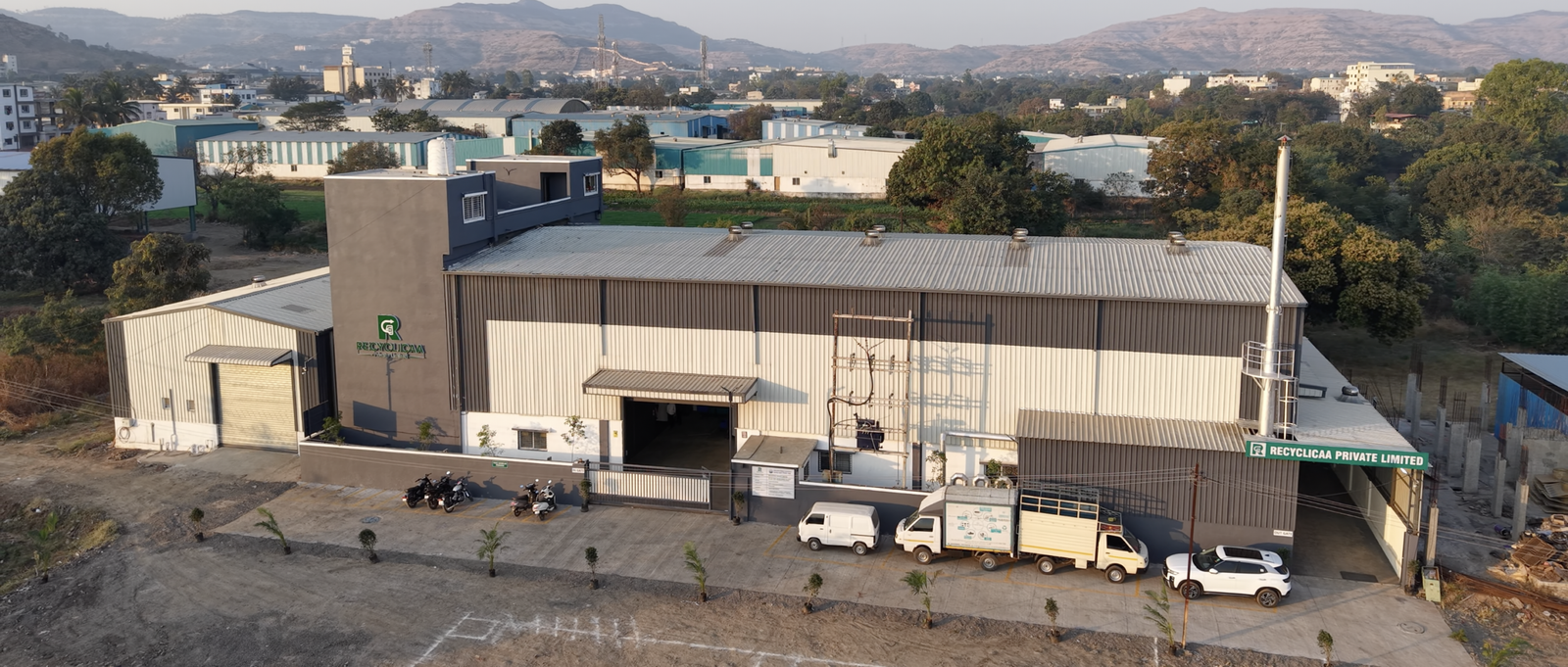
Looking for IT asset disposal in Bengaluru? Learn how businesses can manage old laptops, computers, secure data destruction and responsible e-waste recycling.
Bengaluru’s technology companies, corporate offices and growing businesses regularly upgrade their laptops, desktops, servers and other IT equipment. But what happens to the old equipment after an upgrade?
For businesses, disposing of retired IT assets involves more than clearing unwanted hardware from an office. Companies must consider data security, equipment valuation, responsible recycling, asset records and applicable environmental requirements.
IT Asset Disposal (ITAD) provides a structured way to manage end-of-life IT equipment, from inventory and data destruction to reuse, refurbishment and recycling.
Recyclicaa Private Limited supports businesses with IT asset disposal, e-waste recycling and secure data destruction services, including projects serving Bengaluru. This guide explains what businesses should consider before arranging their next IT equipment disposal project.
What Is IT Asset Disposal (ITAD)?
IT Asset Disposal, commonly called ITAD, is the process of managing IT equipment that an organisation no longer needs.
A corporate ITAD project may include:
-
- Laptops and desktop computers
-
- Servers and networking equipment
-
- Hard disk drives (HDDs) and solid-state drives (SSDs)
-
- Computer motherboards, RAM and other components
-
- Printers, peripherals and other accepted electronic equipment
Depending on the condition of the equipment and the project requirements, assets may be suitable for reuse, refurbishment, resale or recycling.
A structured process helps organisations maintain records of their retired assets while addressing information security and environmental responsibilities.
Why Do Bengaluru Businesses Need Professional IT Asset Disposal?
1. Protect confidential business information
Old laptops and storage devices may contain customer records, employee information, business documents, credentials or other sensitive data.
Deleting files or performing a factory reset may not be sufficient for every disposal scenario. Businesses should select an appropriate data sanitisation or physical destruction method based on the device, its condition, the organisation’s security policy and applicable requirements.
2. Manage bulk equipment efficiently
When an organisation replaces dozens or hundreds of laptops, arranging collection, inventory verification and equipment handover can become a significant operational task.
A planned ITAD project helps IT, procurement and facilities teams coordinate the process, establish responsibilities and maintain appropriate records.
3. Support environmental responsibility
Electronic equipment contains materials that require appropriate handling and processing.
Businesses should ensure that their discarded equipment is directed through suitable reuse, refurbishment or authorised recycling channels rather than being sent to inappropriate disposal routes.
4. Maintain audit-ready documentation
Corporate disposal projects may require equipment inventories, collection records, data destruction certificates and recycling or disposal documentation.
The exact documents depend on the equipment, the service provided, applicable regulations and the organisation’s internal policies.
How Does Corporate IT Asset Disposal Work?
A well-organised disposal project typically follows six stages.
Step 1: Prepare an asset inventory
List the equipment to be retired, including the type of device, quantity, condition and available serial numbers.
Separate laptops, desktops, servers, storage devices and loose components where practical. This makes assessment and handover easier.
Step 2: Assess equipment condition and value
Working equipment, repairable devices and non-working equipment may require different handling routes.
Where applicable, the service provider can assess the equipment’s condition, potential reuse value, recoverable components and recycling requirements before providing a commercial proposal.
Step 3: Establish data destruction requirements
Identify which assets contain storage media and determine whether verified data erasure or physical destruction is required.
For example, a functioning laptop may be suitable for an approved sanitisation process, whereas a failed storage device may require an alternative method.
Organisations should define how results will be recorded and what evidence they need after the work is completed.
Step 4: Schedule collection and transportation
Agree on the collection location, equipment quantities, site access, packaging requirements, collection date and handover procedure.
For Bengaluru offices, these arrangements should be confirmed with the service provider before the collection date. Larger projects may require advance planning and coordination across multiple departments or locations.
Step 5: Process equipment through the appropriate route
Depending on its condition, equipment may be directed towards reuse, refurbishment, component recovery or recycling.
The processing route should be appropriate for the equipment category and handled by suitably authorised parties. Businesses should clarify the processing destination and downstream arrangements when appointing a vendor.
Step 6: Complete documentation and close the project
After the agreed activities are completed, reconcile the inventory and collect the applicable records and certificates.
Maintain these documents according to your organisation’s audit, security and regulatory requirements.
What Documents Should Businesses Request?
Before finalising an IT asset disposal vendor, discuss the documentation needed for your project.
Depending on the scope, this may include:
-
- Asset inventory and handover records
-
- Collection or transportation records, where applicable
-
- Certificate of Data Destruction, where destruction or sanitisation has been performed
-
- Applicable recycling or disposal certificates
-
- Relevant regulatory documentation for the equipment and processing route
Ask the provider to explain what each certificate confirms and which activities it covers. A certificate should accurately represent the work actually performed.
How Should Businesses Choose an ITAD Partner in Bengaluru?
Selecting the right disposal partner requires more than comparing prices.
Consider these seven factors:
1. Relevant authorisations: Verify that the provider and downstream facilities have the authorisations required for the proposed activities and equipment categories.
2. Data security capabilities: Ask about available erasure methods, physical destruction equipment, verification procedures and reporting.
3. Collection and logistics: Confirm collection coverage, transportation arrangements, scheduling and handling procedures.
4. Processing transparency: Understand where the equipment will be processed and whether any downstream activities are outsourced.
5. Documentation: Confirm which inventory records, destruction certificates and recycling documents will be supplied.
6. Commercial clarity: Request transparent terms for collection, processing, equipment valuation, applicable taxes and any additional charges.
7. Operational capacity: Ensure the provider can handle your project volume, timelines and equipment categories.
These checks help procurement, IT and facilities teams evaluate vendors against their actual operational requirements.
Can Businesses Recover Value From Old IT Equipment?
Some retired equipment may retain resale or component value, while other equipment may require recycling at a cost.
Value depends on factors such as:
-
- Equipment model, age and specifications
-
- Functional condition and repair requirements
-
- Battery, screen and component condition
-
- Demand for reusable equipment or parts
-
- Storage-device handling and data-security requirements
-
- Quantity and transportation requirements
A detailed inventory helps the service provider assess the equipment and prepare an appropriate commercial proposal.
Businesses should compare proposals on a consistent basis, including data destruction, transportation, documentation, taxes and any other agreed services.
IT Asset Disposal Services for Businesses in Bengaluru
Recyclicaa Private Limited provides IT asset disposal, e-waste collection and recycling, and secure data destruction services for businesses, subject to the agreed project scope.
Our capabilities include the handling of retired IT equipment, electronic components and data-bearing devices, with appropriate processing and documentation arrangements.
For businesses in Bengaluru, collection availability, equipment acceptance, processing destinations and the applicable service scope can be confirmed during project assessment.
Whether your organisation is replacing office laptops, retiring storage devices or planning a larger IT infrastructure upgrade, a structured disposal plan can help you manage the process more effectively.
Frequently Asked Questions
Where can businesses arrange IT asset disposal in Bengaluru?
Businesses can approach an ITAD provider that serves Bengaluru and can demonstrate suitable authorisations, collection arrangements, data security capabilities and documentation for their equipment categories.
Can a company arrange bulk laptop disposal?
Yes. Bulk disposal projects can be planned according to equipment quantities, collection locations, asset condition, data destruction requirements and logistics.
Is data destruction necessary before disposing of old laptops?
Where devices contain sensitive information, an appropriate data sanitisation or physical destruction process should be selected according to the organisation’s security requirements and the device’s condition.
What happens to non-working laptops?
Non-working laptops can be assessed for suitable component recovery and recycling. Storage devices containing sensitive information should be handled according to the agreed data destruction requirements.
Can businesses receive a data destruction certificate?
A provider can supply documentation for data destruction or sanitisation activities it has actually performed. Confirm the certificate’s scope, the information recorded and the turnaround time before the project begins.
How can a company obtain a quotation for IT asset disposal?
Prepare an equipment inventory with device categories, approximate quantities, condition, collection location and data destruction requirements. Share these details with the provider to request an assessment and quotation.
Contact Recyclicaa Private Limited
Planning an IT equipment upgrade, office clearance or corporate e-waste disposal project in Bengaluru?
Contact Recyclicaa Private Limited to discuss your equipment inventory, collection requirements, data destruction needs and applicable documentation.
Services: IT Asset Disposal (ITAD), e-waste collection and recycling, and secure data destruction.
Service area: Bengaluru, Karnataka, subject to project and collection arrangements.
Website: https://www.eeerecycler.com/
Contact: +91 9576771555 / info@eeerecycler.com
Before engaging a service provider, verify the relevant authorisations, processing arrangements and documentation requirements for your project.